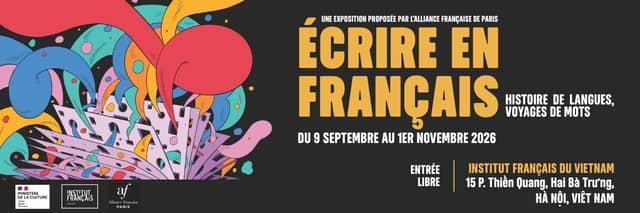
Exhibition «Sáng tác bằng tiếng Pháp» (Écrire en français)
Institut français du Vietnam - Hanoi
Free

 Culture and Arts1 / 5
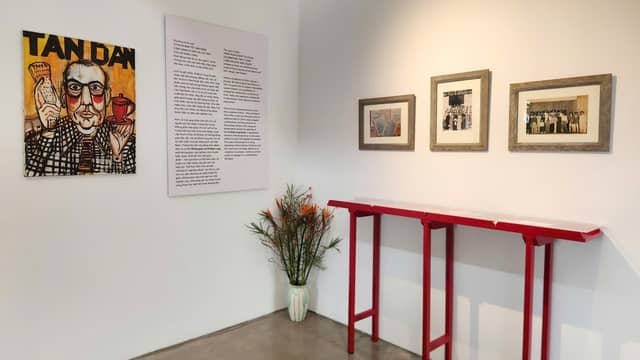
The manuscripts, letters and journals of the man who started modern Vietnamese spoken theatre are on public display in full for the first time — and not for long: once the programme closes, the archive moves into a research room where documents are shown on request. The museum sits on the far bank of the Red River, about twenty minutes from the Old Quarter across Long Bien bridge.
Vu Dinh Long (Vũ Đình Long, 1896–1960) wrote «Chén thuốc độc» («A Cup of Poison») in 1921, the play treated as the starting point of modern Vietnamese drama, when the stage still rested on traditional forms such as chèo and tuồng. Two years later came «Tòa án lương tâm» («The Court of Conscience»), the first tragedy written by a Vietnamese author. He also founded the Tân Dân publishing house, which produced the most widely read journals of the period: «Tiểu thuyết thứ bảy», «Phổ thông bán nguyệt san» and «Ích hữu». Lan Khai, Ngọc Giao, Vũ Bằng and Nguyễn Công Hoan wrote for them, and Nam Cao, Tô Hoài and Kim Lân reached readers through them.
What is in the cases:
The programme was curated by the art historian Natalia Kraevskaia, the museum's director, with Goethe-Institut Hanoi as partner. The museum is named after the artist Vu Dan Tan (Vũ Dân Tân, 1946–2009), the playwright's only son and a key figure of Vietnamese contemporary art: in 1990 he and Kraevskaia opened Salon Natasha in their house on Hàng Bông street, the first private art space in Hanoi. The programme also launched the Vu Dinh Long Room, conceived as a «living laboratory» where history, literature and the visual arts meet; over the summer it hosted a seminar on Vu Dinh Long as writer, translator and publisher, and a reading of his letter to Đặng Thai Mai.
If archives, publishing history or theatre are your thing, this is the rare case where the source itself is in front of you rather than retold. The room is small, an hour or so is enough, and the labels are in Vietnamese and English.
The museum opens Wednesday to Saturday 10:00–17:00 and Sunday until 19:00, closed Monday and Tuesday. Entry is on the regular museum ticket: students with ID pay half, visitors under 18 and over 60 go free, and children under 14 need an adult with them. Questions go to [email protected].
More than a century after «A Cup of Poison», you can read 1921 off the original pages.
Bảo tàng Vũ Dân Tân (Vu Dan Tan Museum)
443 đường Ngọc Thụy, phường Bồ Đề, Hà Nội
Copying and use of these materials is permitted only with the written permission of the site owners.
Institut français du Vietnam - Hanoi
Free
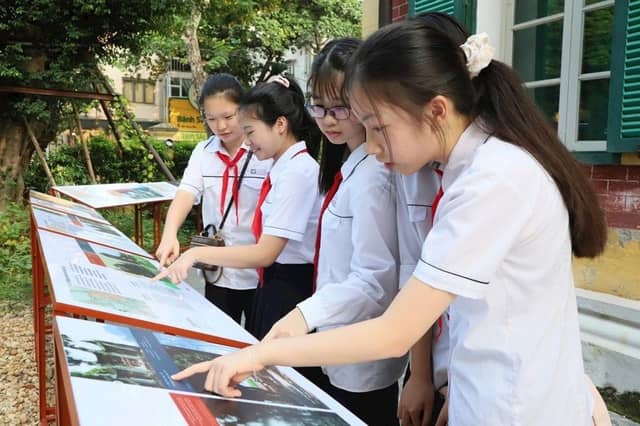
Villa 49 Trần Hưng Đạo
Free
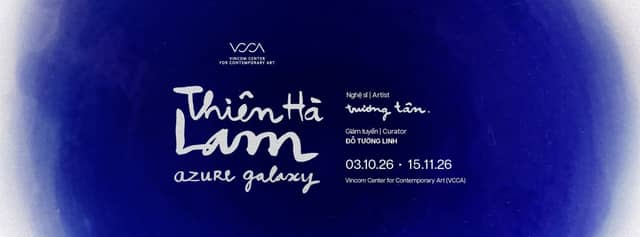
Vincom Center for Contemporary Art (VCCA)
Free
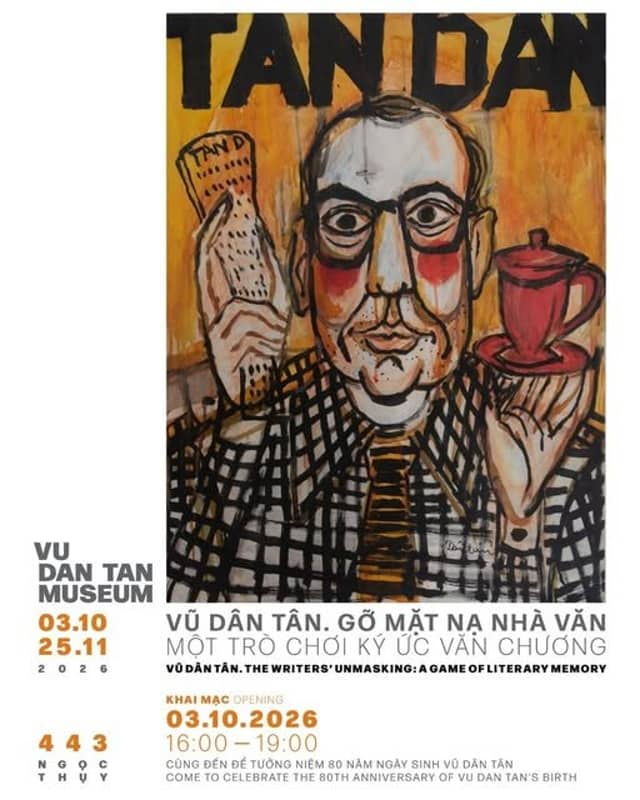
Vu Dan Tan Museum
Contact organizers
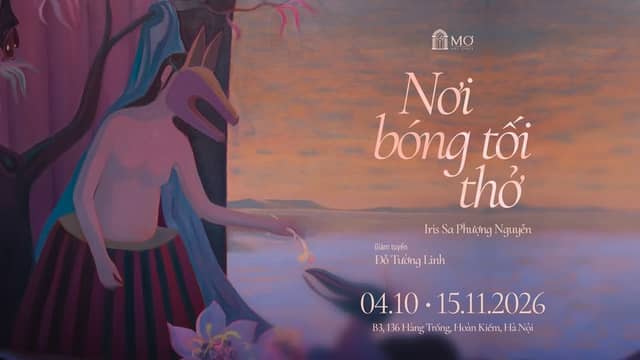
Mơ Art Space
Contact organizers
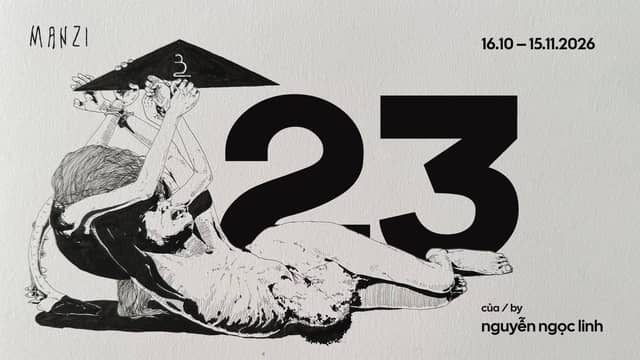
Manzi Art Space
Free
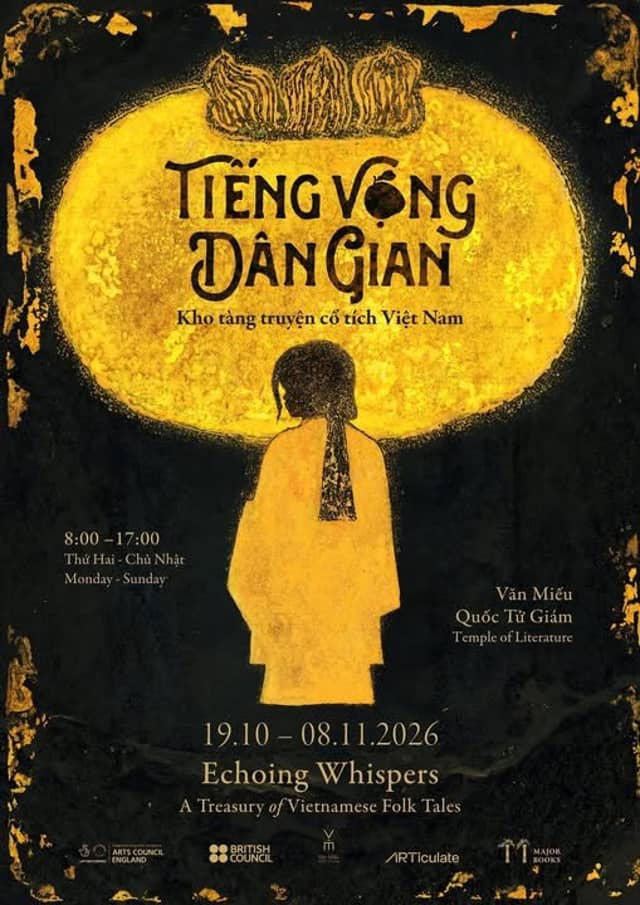
Văn Miếu – Quốc Tử Giám (Nhà Thái học)
Contact organizers
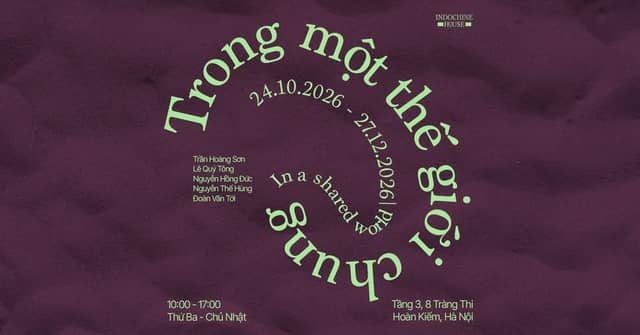
Indochine House
Free
Institut français du Vietnam - Hanoi
Free
Villa 49 Trần Hưng Đạo
Free
Vincom Center for Contemporary Art (VCCA)
Free