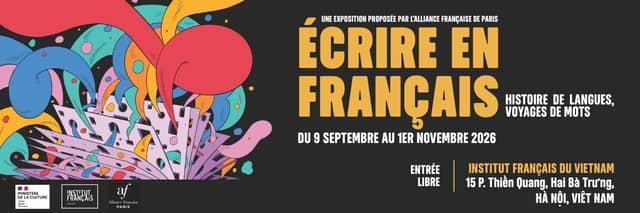
Exhibition «Sáng tác bằng tiếng Pháp» (Écrire en français)
Institut français du Vietnam - Hanoi
Free

 Culture and Arts
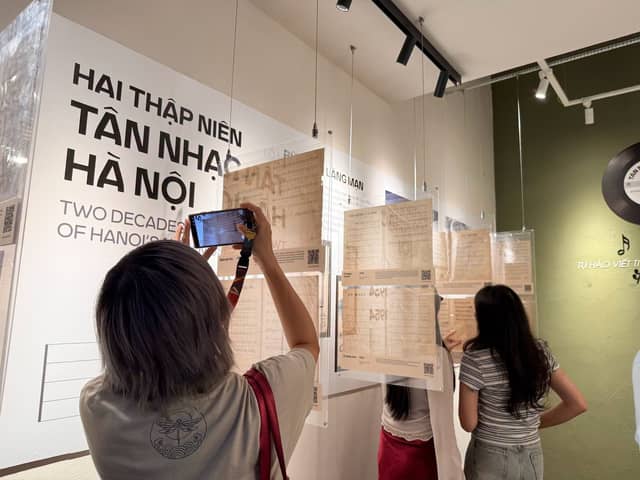
Sheet music printed in your grandparents' day, laid open to be read: a cover drawn by a painter, the score printed inside, and a whole layer of urban taste sitting in between. Nearly three weeks at the city museum to walk through the first two decades of Hanoi's modern songwriting.
The display brings together 102 original scores alongside artefacts and photographs of composers and singers, reconstructing how one era of music in the capital took shape. It runs within this year's Festival Thăng Long – Hà Nội.
Tân nhạc, also called reformed music, emerged in the mid-1930s. It took Western musical language as its foundation and quickly drew in the young audiences of the time. In Hanoi, the 1938 performances by composer Nguyễn Văn Tuyên are regarded as the starting point of Vietnamese tân nhạc. Across those two decades roughly 2,000 scores were printed.
Objects worth seeking out:
Researcher Nguyễn Trương Quý explains that combining graphic design with printed song sheets became widespread from the early 1940s. The standard publication measured 44x28 cm and folded in half, with the score printed inside and the outside given over to an artist's graphics, illustrating either the song or the singer.
The opening drew singer Tuyết Thanh, composer Mai Trung Kiên, son of Văn Chung of the pioneering generation of Vietnamese tân nhạc, and singer Quỳnh Hoa. It also pulled in a notably young crowd curious about the musical life of that Hanoi.
It suits anyone drawn to pre-war Vietnamese song, graphic designers, and visitors who simply want to know what the city was listening to. If you have sung «Giọt mưa thu» without ever seeing its original sheet, this is as close as you will get.
Bảo tàng Hà Nội
Đường Phạm Hùng, Nam Từ Liêm, Hà Nội
Copying and use of these materials is permitted only with the written permission of the site owners.
Institut français du Vietnam - Hanoi
Free
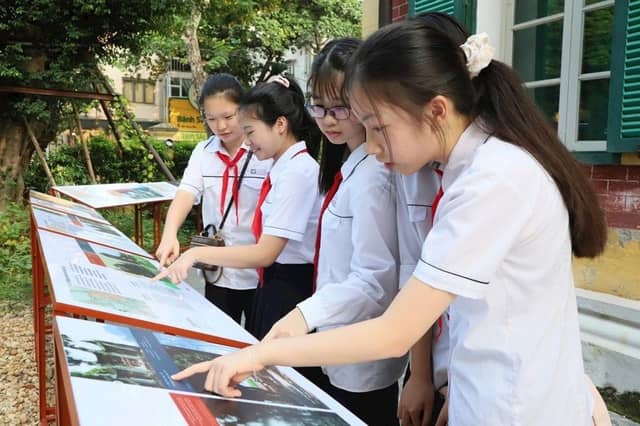
Villa 49 Trần Hưng Đạo
Free
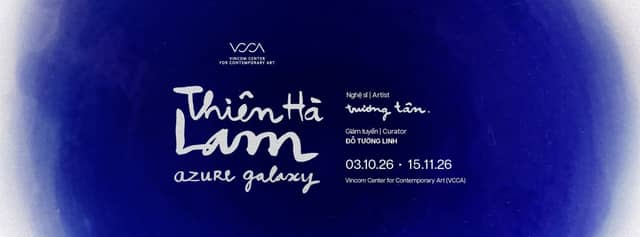
Vincom Center for Contemporary Art (VCCA)
Free
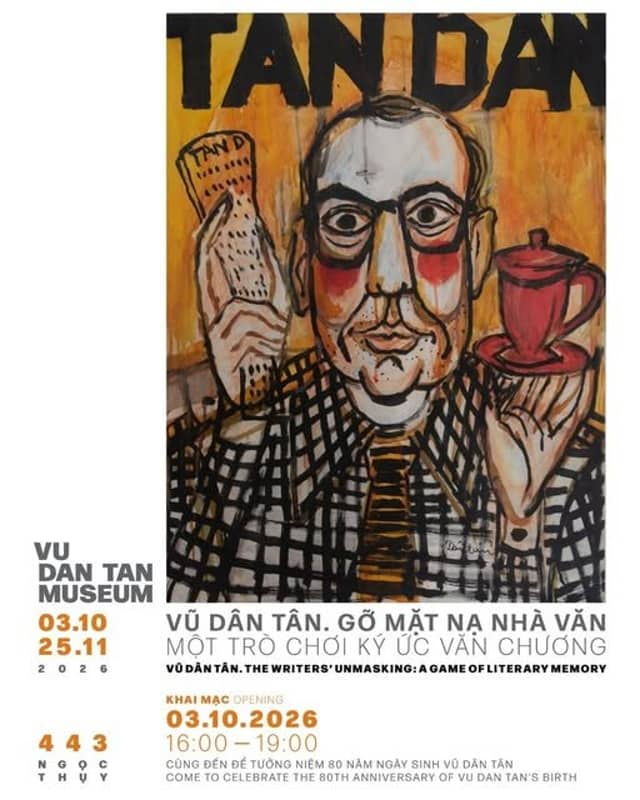
Vu Dan Tan Museum
Contact organizers
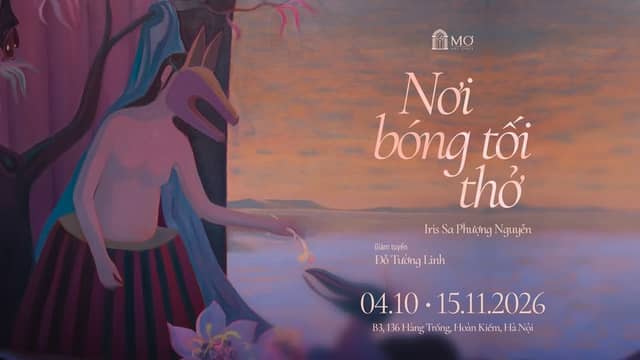
Mơ Art Space
Contact organizers
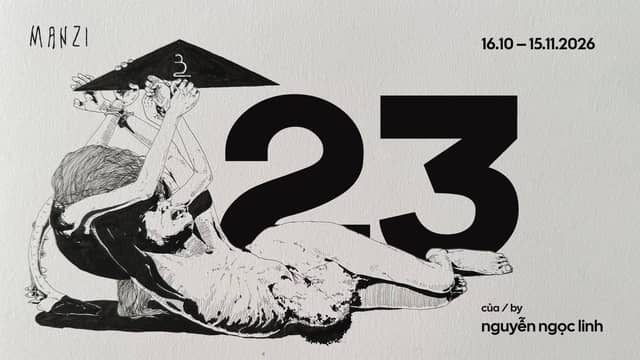
Manzi Art Space
Free
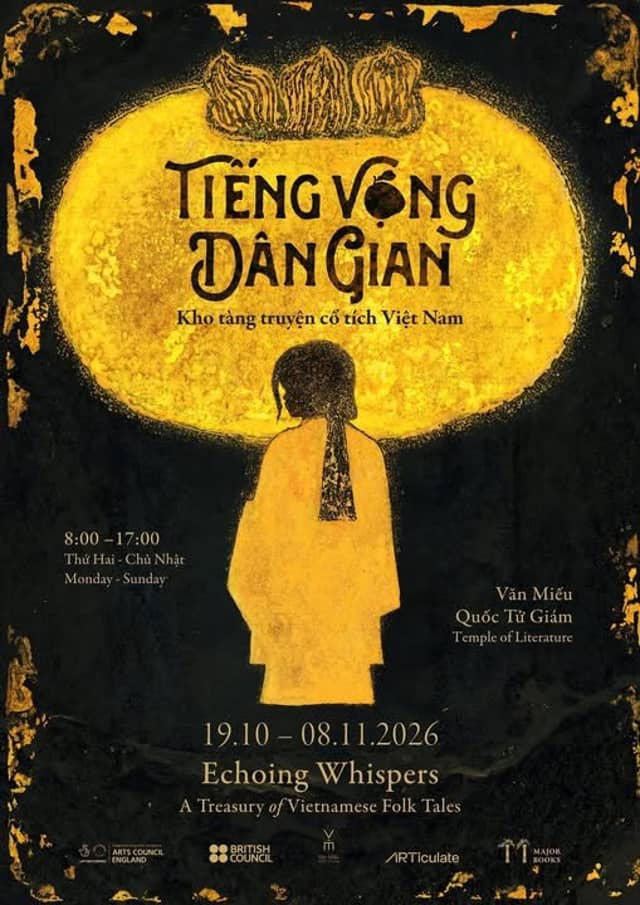
Văn Miếu – Quốc Tử Giám (Nhà Thái học)
Contact organizers
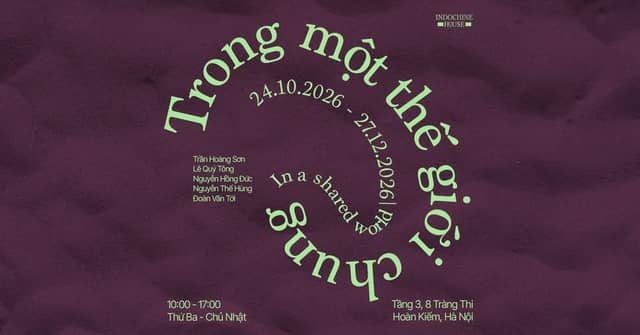
Indochine House
Free
Institut français du Vietnam - Hanoi
Free
Villa 49 Trần Hưng Đạo
Free
Vincom Center for Contemporary Art (VCCA)
Free